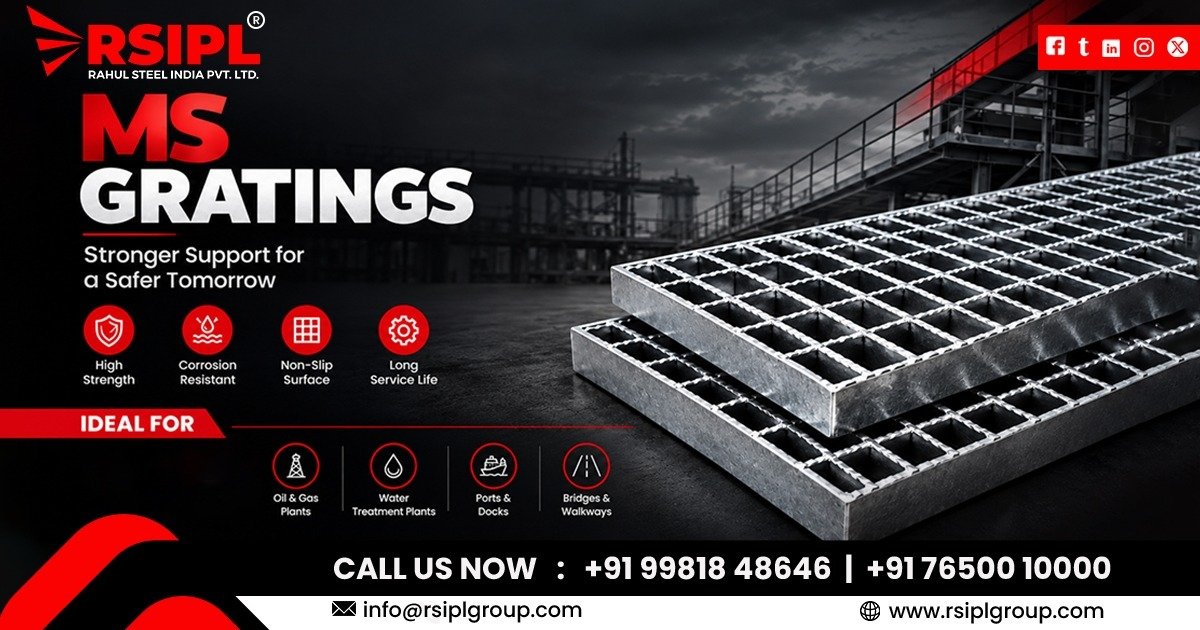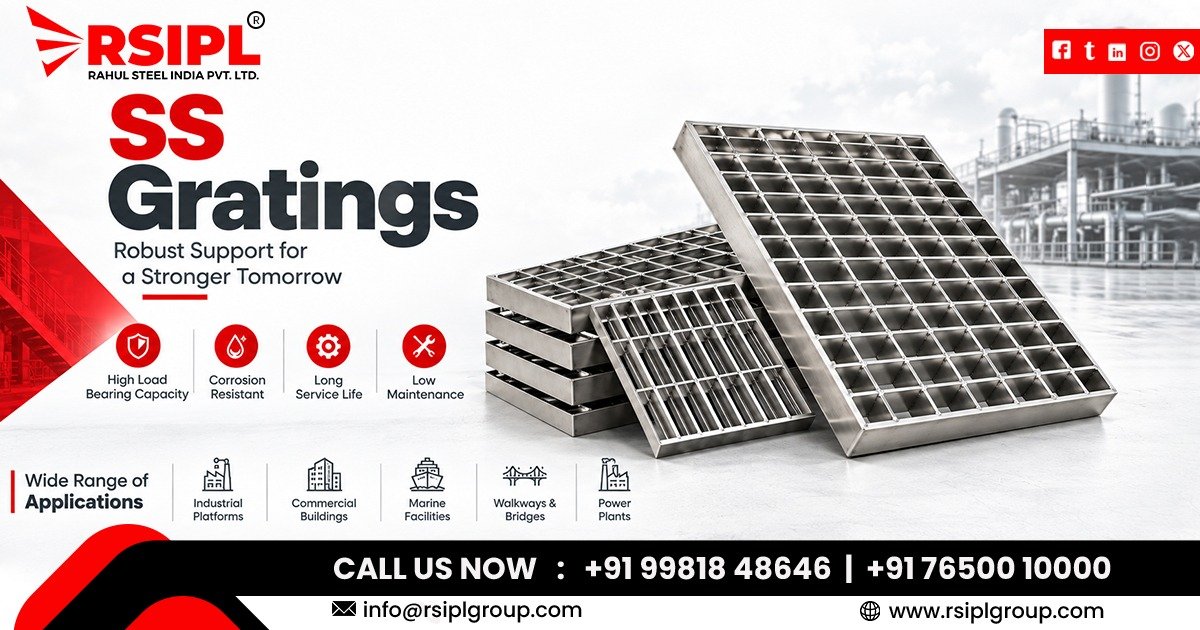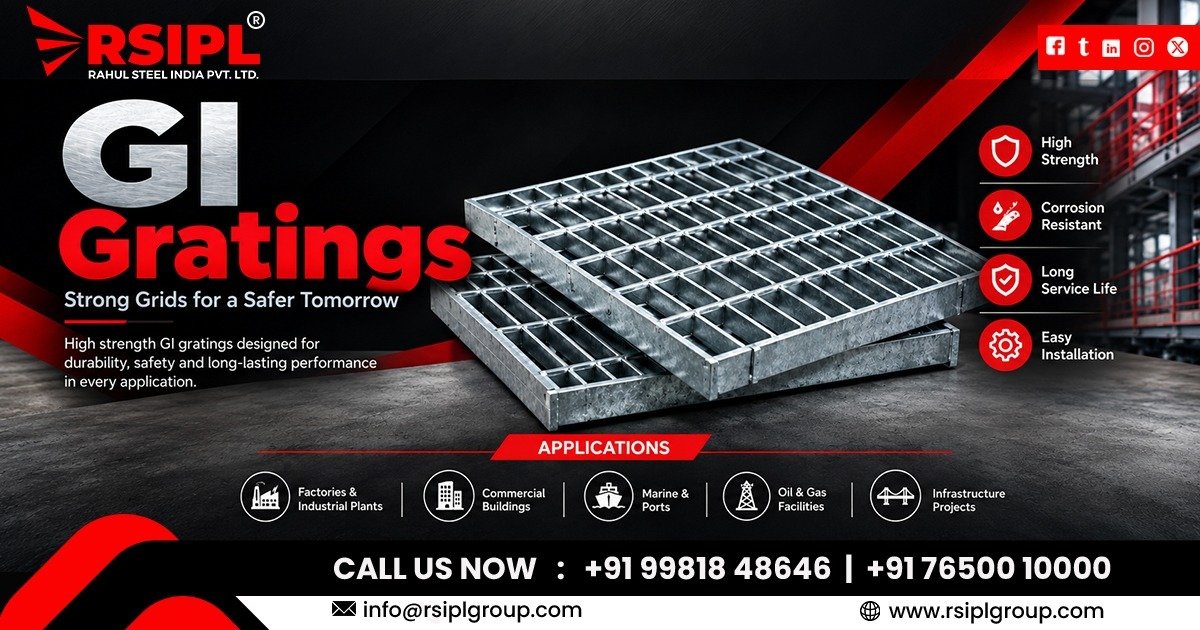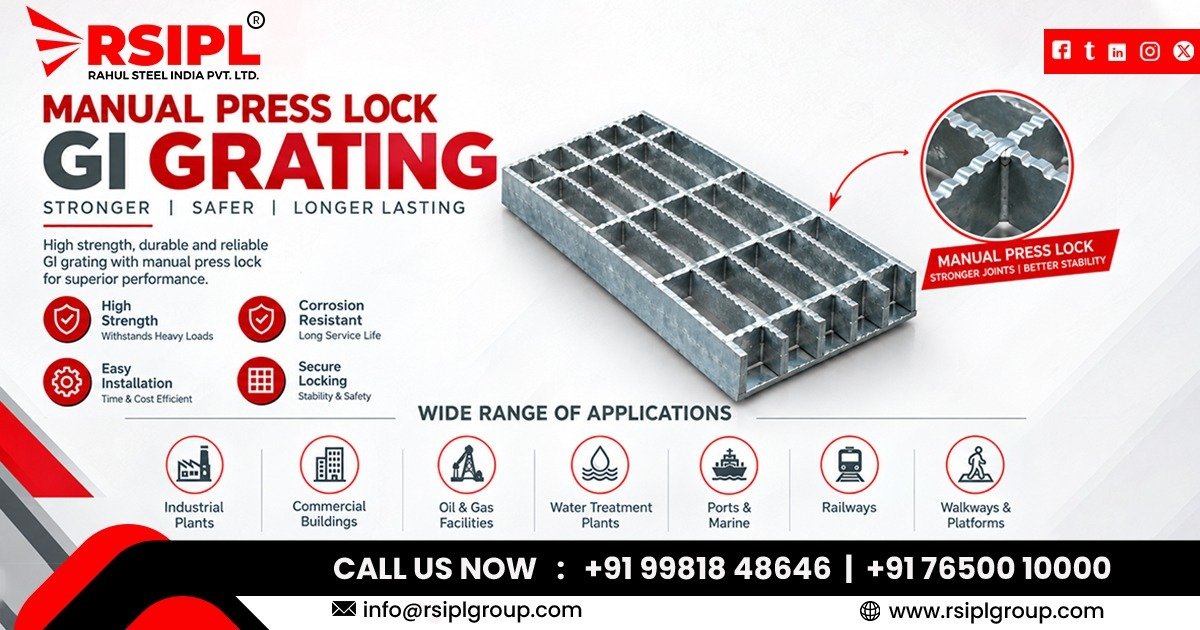
Electroforged grating must match the load, support arrangement, and working environment of the installation. For industrial projects in Nagaland, selecting the right supplier starts with clear drawings, access requirements, material suitability, and a realistic delivery plan.
1. Where Does Electroforged Grating Fit Into an Industrial Project?
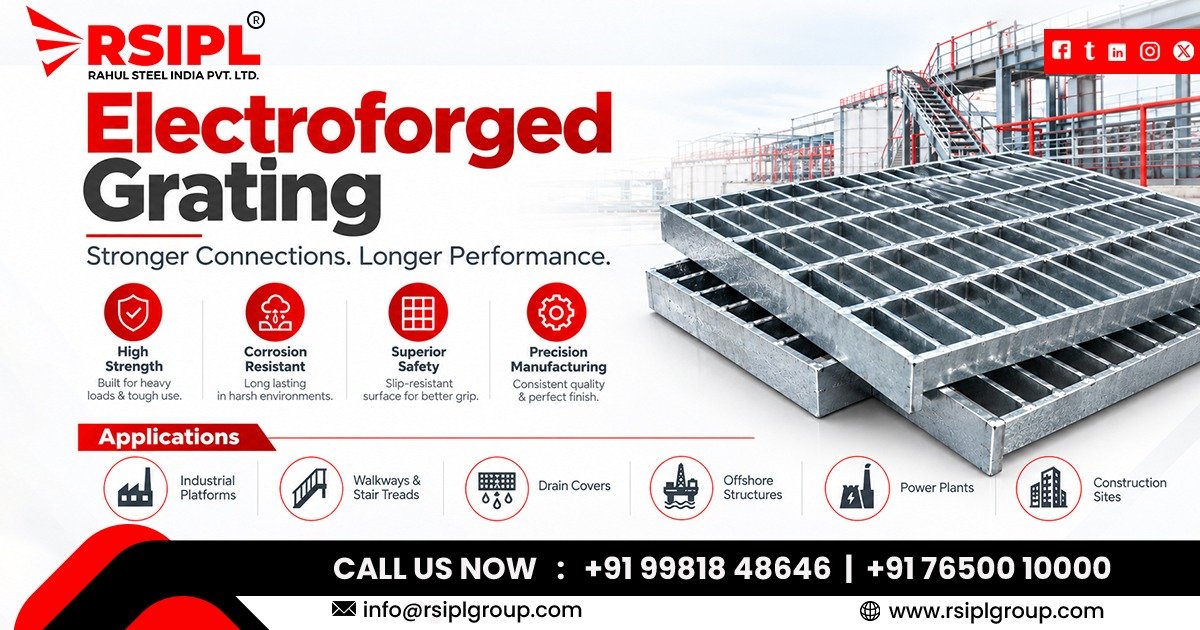
Industrial platforms, maintenance walkways, equipment access areas, and drainage covers need flooring that allows air and water to pass through while providing a stable walking surface. Electroforged grating is one option for these applications.
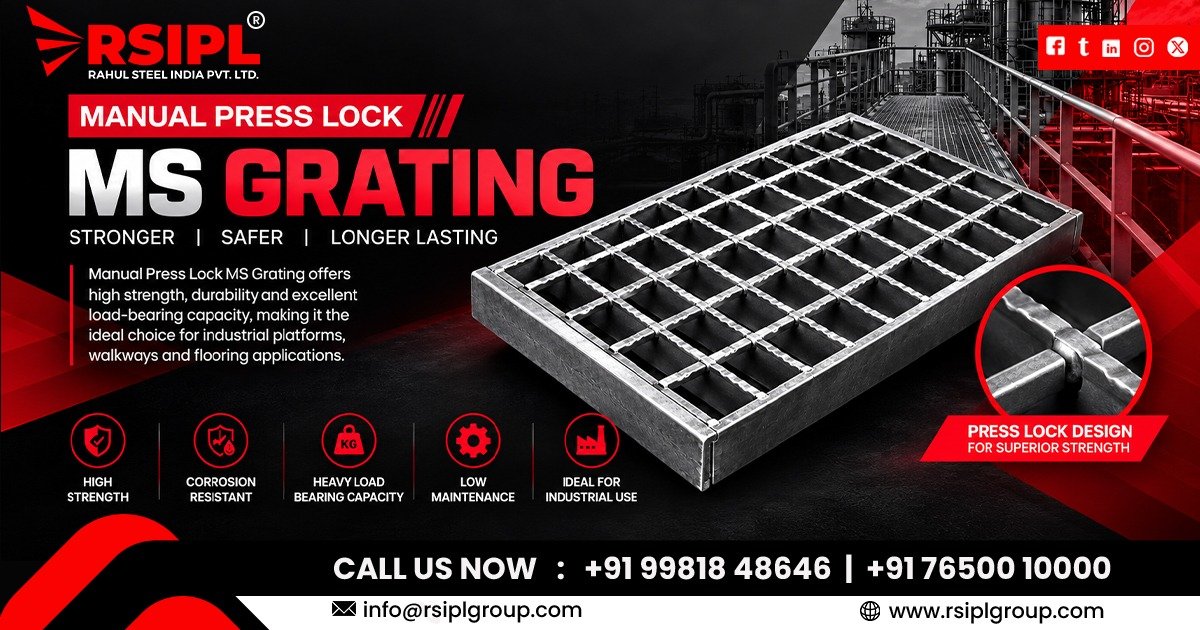
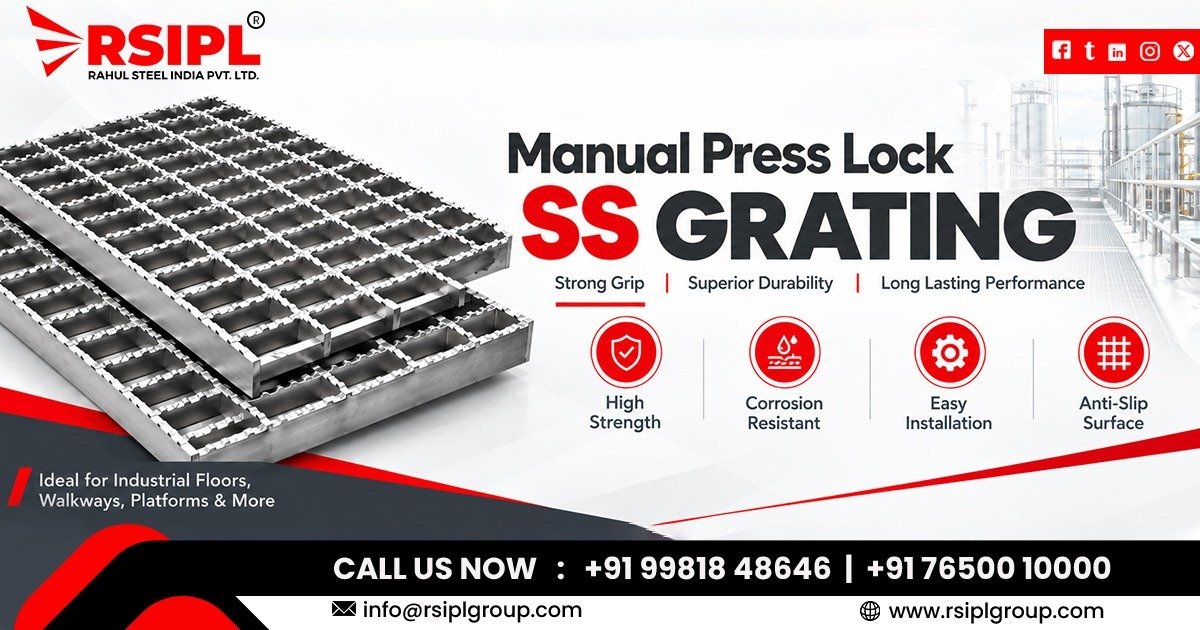
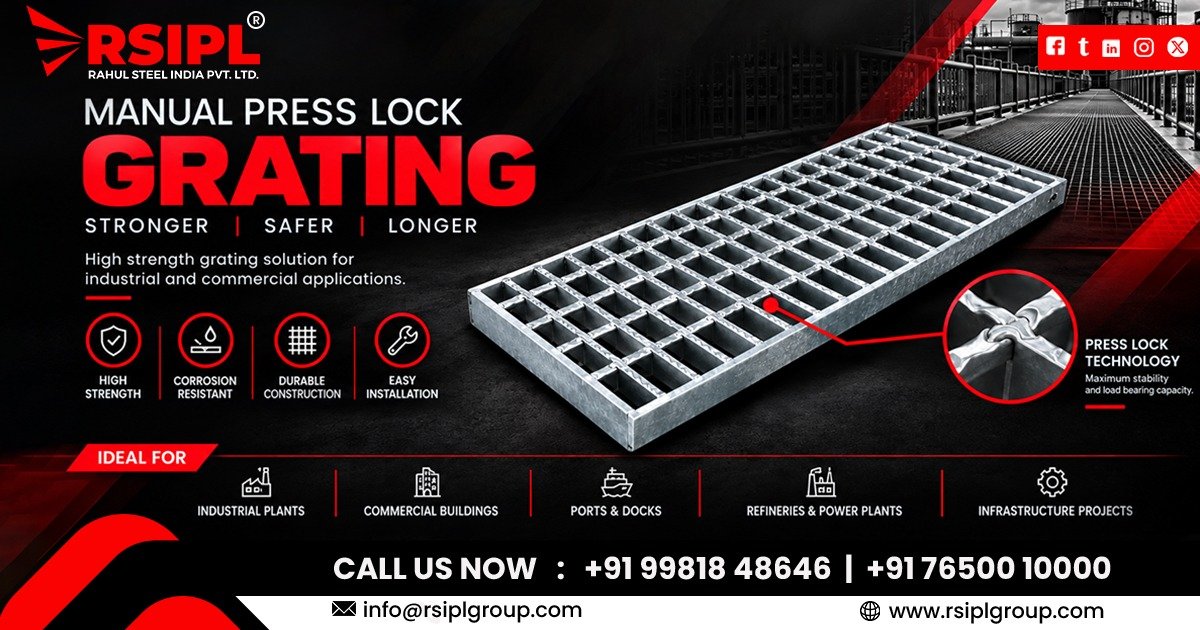
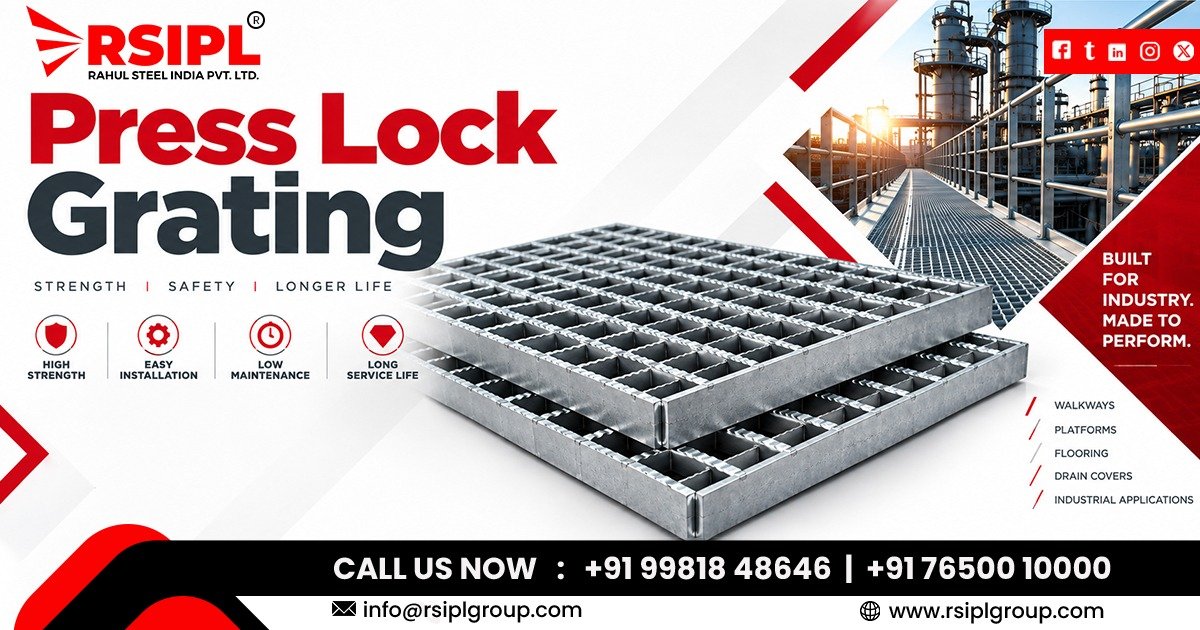
It is manufactured by joining load-bearing steel bars and crossbars through an electric resistance welding process. The resulting open-grid structure can be used in suitable industrial settings where strength, drainage, and access are important.
Before selecting a product, identify its intended role:
- Operating platforms: Areas where workers need access to machinery, valves, or equipment.
- Maintenance walkways: Routes used by technicians for inspection and servicing.
- Drainage and service areas: Locations where water needs to pass through the floor surface.
- Industrial access structures: Platforms and walkways incorporated into larger steel fabrication projects.
2. What Should Buyers Confirm Before Finalizing the Grating?
The product name alone is not enough to determine suitability. Two grating panels may look similar but perform differently when their bar arrangement, span, support conditions, or loading requirements differ.
Before requesting a quotation, establish the following details:
- Loading requirement: Specify whether the panel will carry pedestrians, maintenance equipment, stored materials, or moving loads.
- Support span: Provide the distance between supporting beams and identify the intended direction of the load-bearing bars.
- Panel dimensions: Share the available drawings, required panel sizes, and any cut-outs around columns, pipes, or machinery.
- Surface conditions: Consider moisture, oil, debris, and the possibility of slipping in the working area.
- Environmental exposure: Identify whether the installation is indoors, outdoors, exposed to rain, or subject to corrosive substances.
- Access requirements: Check whether panels need to be removable for inspection or equipment maintenance.
These details help the supplier assess the proposed arrangement rather than quote solely on a general description.
3. How Does Electroforging Affect the Finished Grating?
Electroforged grating is produced by applying electrical resistance heat and pressure to join the intersecting bars. This creates a welded grid intended to function as a structural walking or access surface when correctly specified and supported.
The manufacturing process is only one part of the quality assessment. Buyers should also examine:
- Consistency of the bar spacing and panel dimensions.
- Quality and uniformity of welded intersections.
- Straightness of the finished panels.
- Edge finishing and the accuracy of cut-outs.
- Suitability of the proposed steel and protective finish for the environment.
A properly manufactured panel can still be unsuitable if its span or loading arrangement does not match the project. Grating selection and supporting steelwork therefore need to be considered together.
4. What Installation Details Are Easy to Overlook?
Grating installation should be planned before fabrication, particularly when panels must fit around existing equipment or connect with structural steelwork.
A few checks can prevent avoidable site adjustments:
- Verify the site measurements. Confirm the actual support locations, panel boundaries, and required openings against the latest drawings.
- Confirm the bearing arrangement. Ensure the load-bearing bars are oriented as intended and that each panel has adequate support.
- Plan panel fixing. Determine how panels will be secured against movement and how they can be removed safely when maintenance access is required.
- Check surrounding access. Account for handrails, ladders, pipework, equipment clearances, and worker movement.
- Coordinate fabrication and delivery. Make sure panel identification, quantities, dimensions, and delivery sequencing align with the construction schedule.
5. Which Material and Finish Suit the Operating Environment?
The operating environment has a direct influence on material selection and maintenance needs. A covered indoor platform may face different conditions from an exposed walkway subject to rain, standing moisture, or chemical splashes.
When comparing quotations, ask the supplier to clarify:
- The proposed steel material and its suitability for the intended service.
- Whether a protective coating or other corrosion-control treatment is required.
- Whether the open-grid pattern is appropriate for the size of objects, debris, or fluids encountered at the site.
- Whether the walking surface needs additional slip-resistance considerations.
- How the panels should be inspected and maintained after installation.
A protective finish should be selected according to actual exposure conditions, not simply because it is commonly used on another project. Where corrosive chemicals or unusual operating conditions are involved, obtain a suitable technical assessment before ordering.
6. What Should a Supplier Quote Include?
When comparing an electroforged grating supplier in Nagaland with manufacturers or suppliers based elsewhere in India, compare the technical scope of each quotation rather than relying on the quoted rate alone.
A useful quotation should identify:
- The grating type and proposed material.
- Panel dimensions, bar arrangement, and relevant loading information.
- The required surface finish and edge treatment.
- The number of panels, cut-outs, fixing accessories, and other included items.
- Manufacturing and dispatch arrangements, estimated delivery schedule, and freight terms.
- Drawing approval requirements and the process for resolving dimensional changes.
Ask for drawings or technical documentation where appropriate. Confirm whether installation hardware, site installation, and after-sales support are included or excluded rather than assuming they form part of the supply.
This approach makes it easier to identify differences between quotations and reduces the risk of receiving a product that does not match the approved design.
7. How Can Buyers in Nagaland Plan Sourcing More Effectively?
For projects in Nagaland, supplier location is only one part of the procurement decision. The practical priority is to establish whether the proposed manufacturer can supply panels matching the approved design and coordinate delivery to the actual project site.
Rahul Steel India Pvt. Ltd. can be considered by buyers evaluating sourcing options, with manufacturing support from Ahmedabad, Gujarat, India. Buyers should confirm the required product configuration, current manufacturing arrangements, dispatch timeline, transport terms, and destination-specific delivery feasibility directly with the company.
For a project involving several platforms or access structures, prepare one consolidated requirement schedule. Include panel sizes, quantities, drawings, site delivery details, and any special environmental requirements. This gives the supplier a clearer basis for reviewing the request.
Services / Support
The following are practical areas to discuss with a prospective supplier; the availability and scope of each service should be confirmed before placing an order.
- Product selection support: Review the intended application, loading requirements, support spans, and operating conditions to help establish a suitable grating specification.
- Manufacturing and fabrication coordination: Discuss panel dimensions, cut-outs, edge requirements, and drawing approvals before production.
- Project and dispatch coordination: Align quantities, packaging, delivery destination, transport arrangements, and the expected project schedule.
- Technical and post-delivery support: Clarify available product documentation, installation-related queries, inspection requirements, and the procedure for reporting supply discrepancies.
Location Support: Planning Deliveries Across Nagaland
For industrial buyers, contractors, infrastructure developers, and fabrication teams, delivery planning should account for the exact destination, unloading access, storage arrangements, and installation schedule. These details are especially important when grating is supplied from a manufacturing base outside the state.
Relevant towns and business locations across Nagaland include Kohima, Dimapur, Chümoukedima, Niuland, Medziphema, Peren, Phek, Wokha, Mokokchung, Zunheboto, Tuensang, Mon, Longleng, Kiphire, Noklak, Shamator, Tseminyu, Pughoboto, Meluri, Jalukie, Pfutsero, Tuli, Bhandari, and Tizit.
Before dispatch, buyers should confirm the exact delivery address, road access, unloading arrangements, transport availability, and any restrictions affecting the movement of long or heavy panels. The appropriate logistics plan will depend on the project location and consignment details.
Company Support: Working With Rahul Steel India Pvt. Ltd.
Rahul Steel India Pvt. Ltd. is a sourcing option for buyers seeking an electroforged grating supplier in Nagaland, with manufacturing support from Ahmedabad, Gujarat, India.
Website: rsiplgroup.com
For a project enquiry, share the intended application, technical drawings if available, approximate quantities, preferred material or finish, and delivery location. These details help establish the scope of the requirement before technical and commercial terms are finalized.
Buyers should confirm the specific product availability, manufacturing scope, delivery schedule, and applicable technical documentation directly with the company before proceeding with procurement.
FAQs
1. What information is needed to request an electroforged grating quotation?
Provide the application, required panel dimensions, support spans, loading conditions, material and finish preferences, quantities, and delivery location. Drawings are useful when panels require cut-outs or special edge details.
2. How do I determine the appropriate grating panel size?
Panel size depends on the support layout, required clearances, loading, and installation arrangement. Confirm the dimensions and load-bearing direction with the project engineer before approving fabrication drawings.
3. Can grating be supplied to an industrial project in a remote part of Nagaland?
Delivery feasibility depends on the destination, consignment size, transport arrangements, and site access. Confirm freight terms, unloading facilities, and the expected delivery schedule with the supplier before ordering.
4. What should I check when selecting an electroforged grating supplier in Nagaland?
Review the supplier’s ability to meet the specified design, clarify material and fabrication details, provide relevant documentation, and coordinate dispatch. Compare quotations on equivalent technical and commercial terms.
Conclusion
Choosing electroforged grating for an industrial project requires more than matching panel dimensions to a floor opening. Loading, support spans, material suitability, fixing arrangements, and transport planning all influence the final result. Clear drawings and an agreed supply scope help buyers make better procurement decisions and avoid unnecessary site modifications.
Planning a platform, walkway, or industrial access structure in Nagaland? Visit Rahul Steel India Pvt. Ltd. to discuss your grating requirement, share available drawings, and enquire about suitable supply options and delivery arrangements.
Call Us: +91 99818 48646, +91 76500 10000
Email: sales@rsiplgroup.com, info@rsiplgroup.com